T-bone
Two steaks in one. A striploin on one side of the bone and an eye fillet on the other, which is the appeal and the difficulty.
- Also called
- T-bone, porterhouse when the fillet is large
- Section
- Striploin
- Fat
- Moderate
- Best cooked
- Grill, with the fillet side kept off the hottest heat
- Best doneness
- Medium rare
Tap a section to explore its cuts.
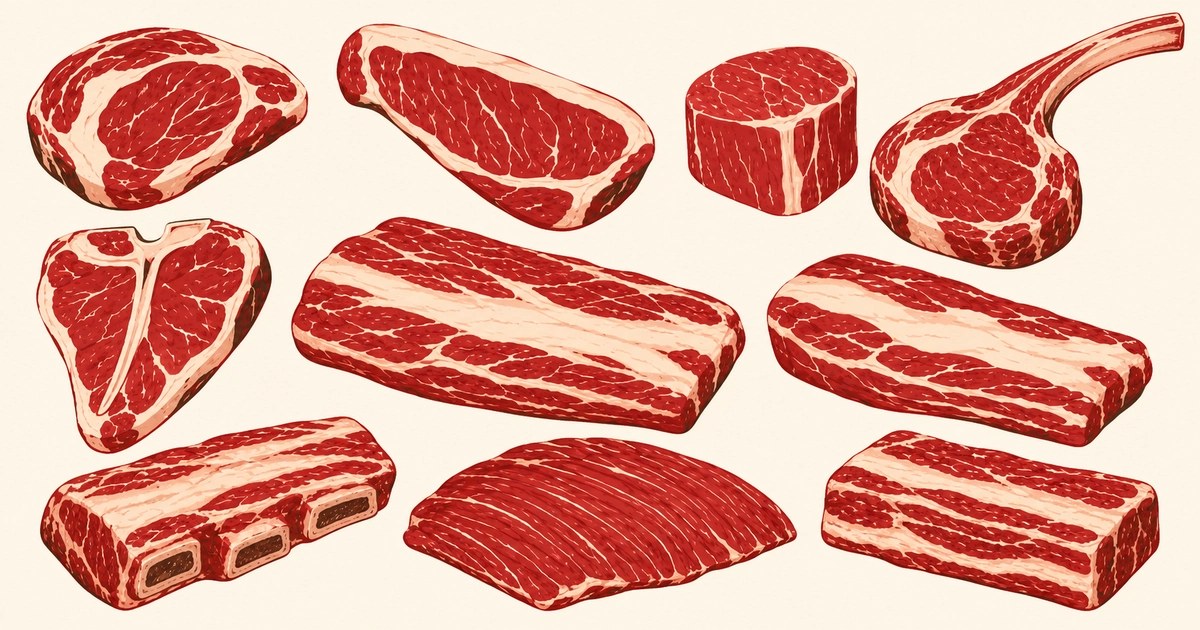
Chuck
The shoulder. Hard working muscle and rich flavour, where the short ribs begin.
Rib
The richest marbling on the animal, and the home of the scotch fillet.
Striploin
Along the back. Firm, beefy steaks with a fat cap down one edge.
- SirloinAlso called Porterhouse, striploin, New York stripRead guide
- T-boneAlso called T-bone, porterhouse when the fillet is largeYou are here
Tenderloin
Tucked under the loin, doing almost no work. The most tender cut there is.
Rump
The hip. Big beef flavour for the price, and a favourite on the grill.
Plate
Below the ribs. Loose grained, intensely flavoured and quick to cook.
Flank
The belly behind the plate. Lean, long grained steaks made for a marinade and a hot grill.
Round
The hind leg. Lean, hard working muscles such as topside and silverside, used for roasts and corned beef.
Shank
The hind leg from below the round to the knee. Very lean and tough, so it is slow cooked or minced rather than served as a steak.
What is a T-bone steak?
A T-bone is cut straight across the loin, through the backbone, so it carries two different muscles either side of a T shaped bone. On the larger side is the striploin, the same meat as a porterhouse. On the smaller side is a piece of tenderloin, the same meat as an eye fillet.
When the tenderloin portion is especially large, American butchers call the steak a porterhouse. In Australia it stays a T-bone.
What part of a cow is T-bone?
A T-bone comes from the loin, in the middle of the back behind the ribs, where the striploin and the tenderloin sit either side of the backbone.
Location and anatomy
It is cut straight across the loin through the spine, so each steak carries a section of vertebra shaped like a T.
The striploin side is the larger muscle above the bone, the same meat as a sirloin. The tenderloin side is the smaller muscle below the bone, the same meat as an eye fillet. US porterhouse is a T-bone cut further back, where the tenderloin portion is larger.
The cooking problem
The two muscles cook at different speeds. The lean, small fillet side is done well before the striploin side. The answer is to position the steak so the fillet side sits over the cooler part of the grill or pan, and the striploin takes the most heat.
Aim for medium rare, rest it, then carve both muscles off the bone and slice each across its grain before serving.
Why order one
It is the choice for someone who cannot decide between tenderness and flavour. You get the buttery eye fillet and the beefier striploin on one plate, with the bone adding a little margin along the middle.
Also from the striploin: Sirloin.
Where to order T-bone
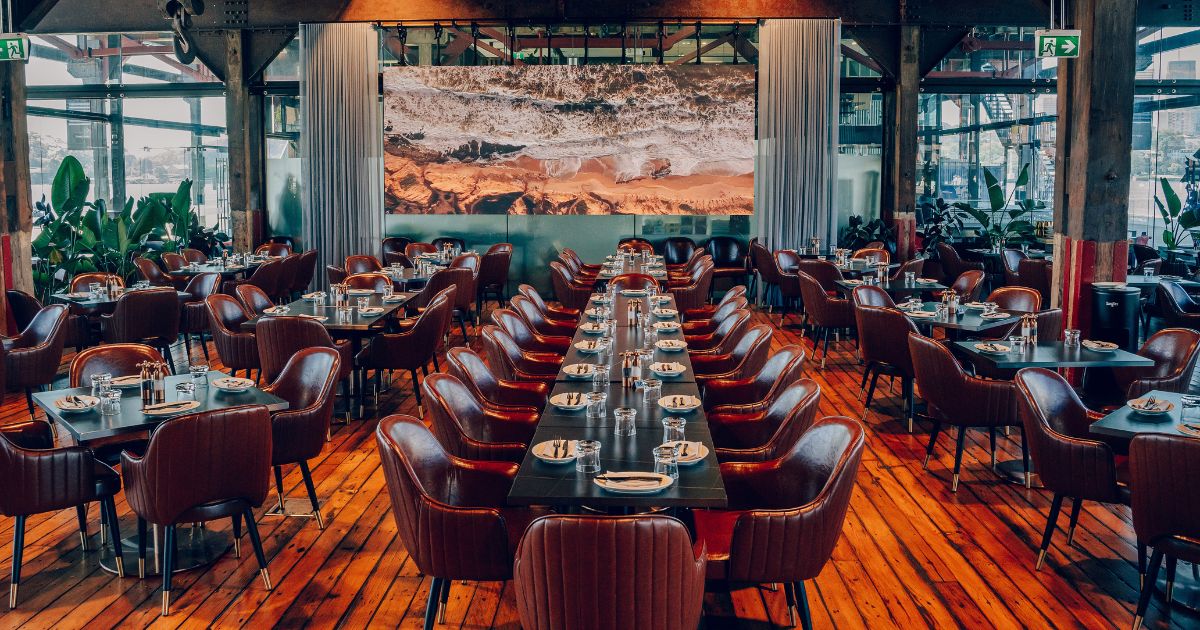
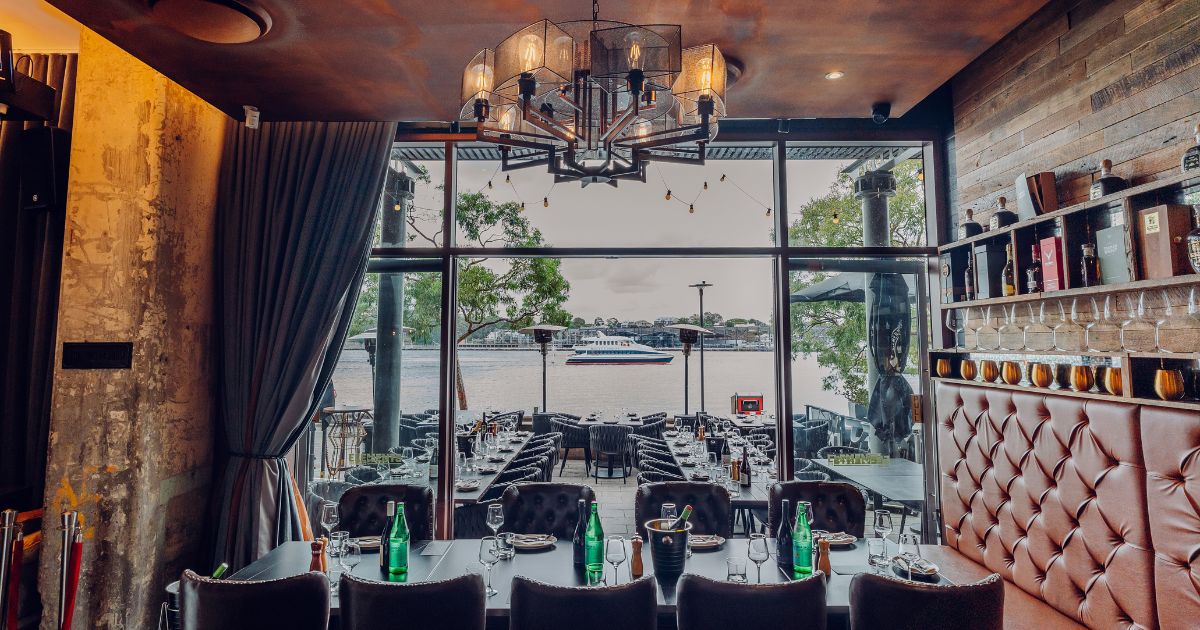
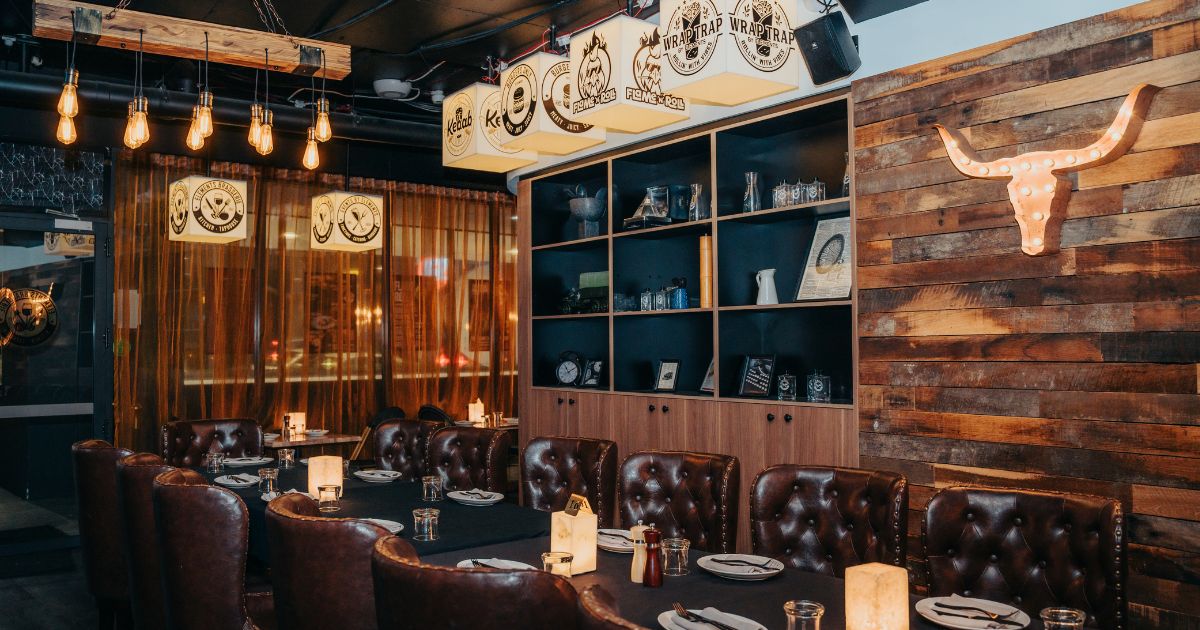
Sydney has plenty of places to order a good steak, and our pick of the best steak restaurants in Sydney is a good place to start.
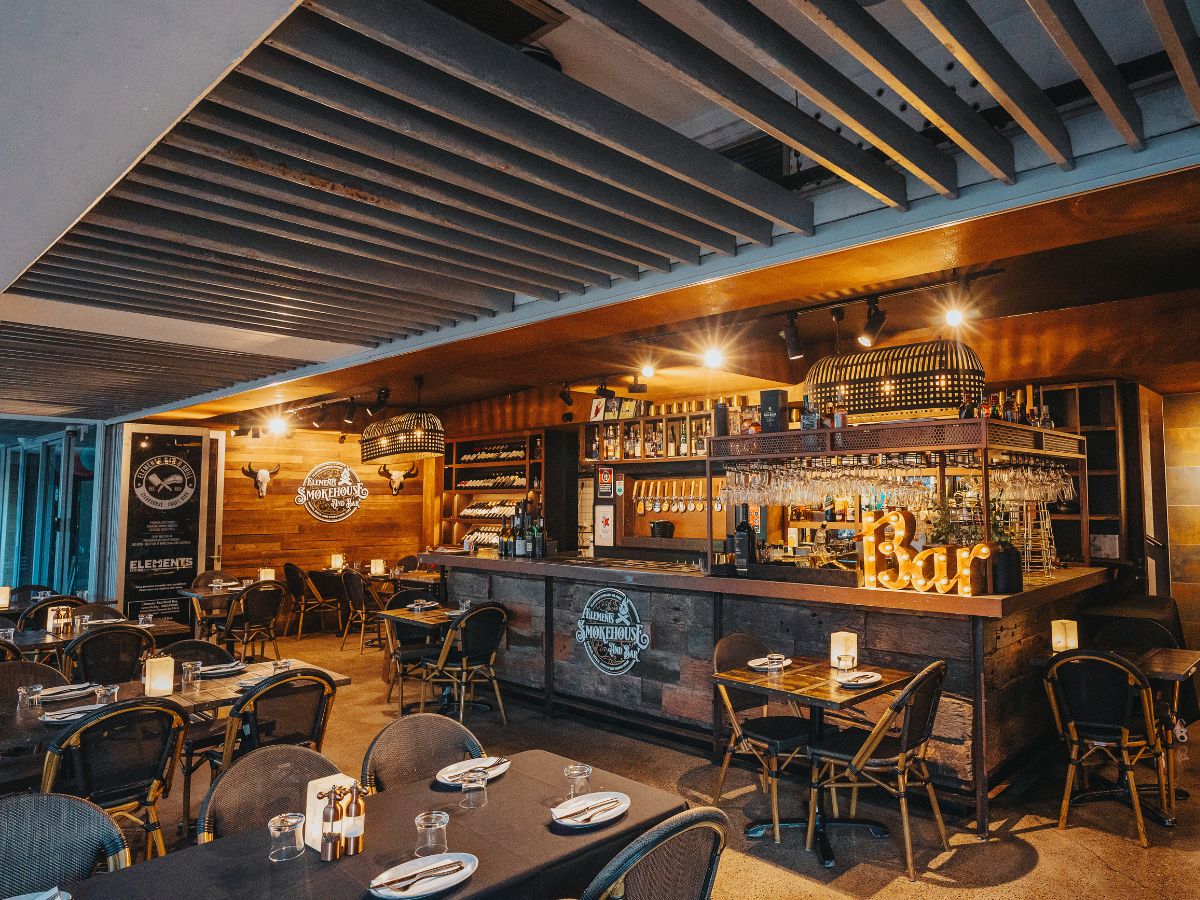
Our venues serving T-bone are Elements Bar and Grill in Walsh Bay and Pyrmont (MB2 T-bone), Elements Brasserie in Belmore (T-bone) and Elements Smokehouse in Darlinghurst (American porterhouse T-bone). Look out for The T-Bone Experience at Belmore too.
Cuts to compare with t-bone
Frequently asked
What two steaks are in a T-bone?
A striploin on the larger side of the bone and a piece of eye fillet, from the tenderloin, on the smaller side.
What is the difference between T-bone and porterhouse?
In the US a porterhouse is a T-bone with a larger tenderloin portion. In Australia porterhouse means the boneless striploin instead.
How do you stop a T-bone fillet overcooking?
Keep the fillet side over the cooler part of the heat, and let the striploin side take the hottest spot.
Can you get a wagyu T-bone?
They exist but are uncommon, because a wagyu loin is usually worth more cut into separate sirloin and eye fillet. Most T-bones on Australian menus come from British breeds such as Angus and Hereford.