Rump
The best value steak for flavour. Beefier than a fillet, firmer than a scotch fillet, and at its best sliced thin across the grain.
- Also called
- Top sirloin
- Section
- Rump
- Fat
- Low to moderate
- Best cooked
- Hot grill, then slice across the grain
- Best doneness
- Medium rare
Tap a section to explore its cuts.
Chuck
The shoulder. Hard working muscle and rich flavour, where the short ribs begin.
Rib
The richest marbling on the animal, and the home of the scotch fillet.
Striploin
Along the back. Firm, beefy steaks with a fat cap down one edge.
Tenderloin
Tucked under the loin, doing almost no work. The most tender cut there is.
Rump
The hip. Big beef flavour for the price, and a favourite on the grill.
- RumpAlso called Top sirloinYou are here
Plate
Below the ribs. Loose grained, intensely flavoured and quick to cook.
Flank
The belly behind the plate. Lean, long grained steaks made for a marinade and a hot grill.
Round
The hind leg. Lean, hard working muscles such as topside and silverside, used for roasts and corned beef.
Shank
The hind leg from below the round to the knee. Very lean and tough, so it is slow cooked or minced rather than served as a steak.
What is rump steak?
Rump comes from the hip, at the rear of the loin. It is a group of muscles rather than one, which is why two rump steaks can differ: some pieces are notably more tender than others. In the US, the closest equivalent is the top sirloin.
The fat layer that sits on top of the rump, the rump cap, is its own celebrated cut in Brazil, where it is called picanha.
What part of a cow is rump?
Rump comes from the hindquarter, at the rear of the back where the loin meets the hind leg (the round), over the hip bone.
Location and anatomy
It sits behind the striploin and tenderloin, above the flank and in front of the round. It is a group of muscles rather than one, so tenderness varies across it.
The rump cap is the top muscle with its fat layer, known in Brazil as picanha, and among the most tender parts. The eye of rump is the central, tender muscle, cut into neat steaks. The rump centre and tail are firmer muscles towards the leg, with more chew and flavour.
Why people choose it
Flavour for money. Rump works hard enough to carry a strong beef taste, and it costs noticeably less per kilo than a scotch fillet or an eye fillet. It is the steak for someone who cares more about taste than about the softest possible texture.
How to cook it
A hot grill and a short cook. Take it to medium rare, rest it, and then slice it thinly across the grain. That last step does more for a rump than anything else: cutting across the fibres turns a firm steak into a tender one on the fork.
Rump also takes a marinade well, and it is a strong choice for steak sandwiches, stir fries and anything sliced after cooking.
Where to order rump
Sydney has plenty of places to order a good steak, and our pick of the best steak restaurants in Sydney is a good place to start.
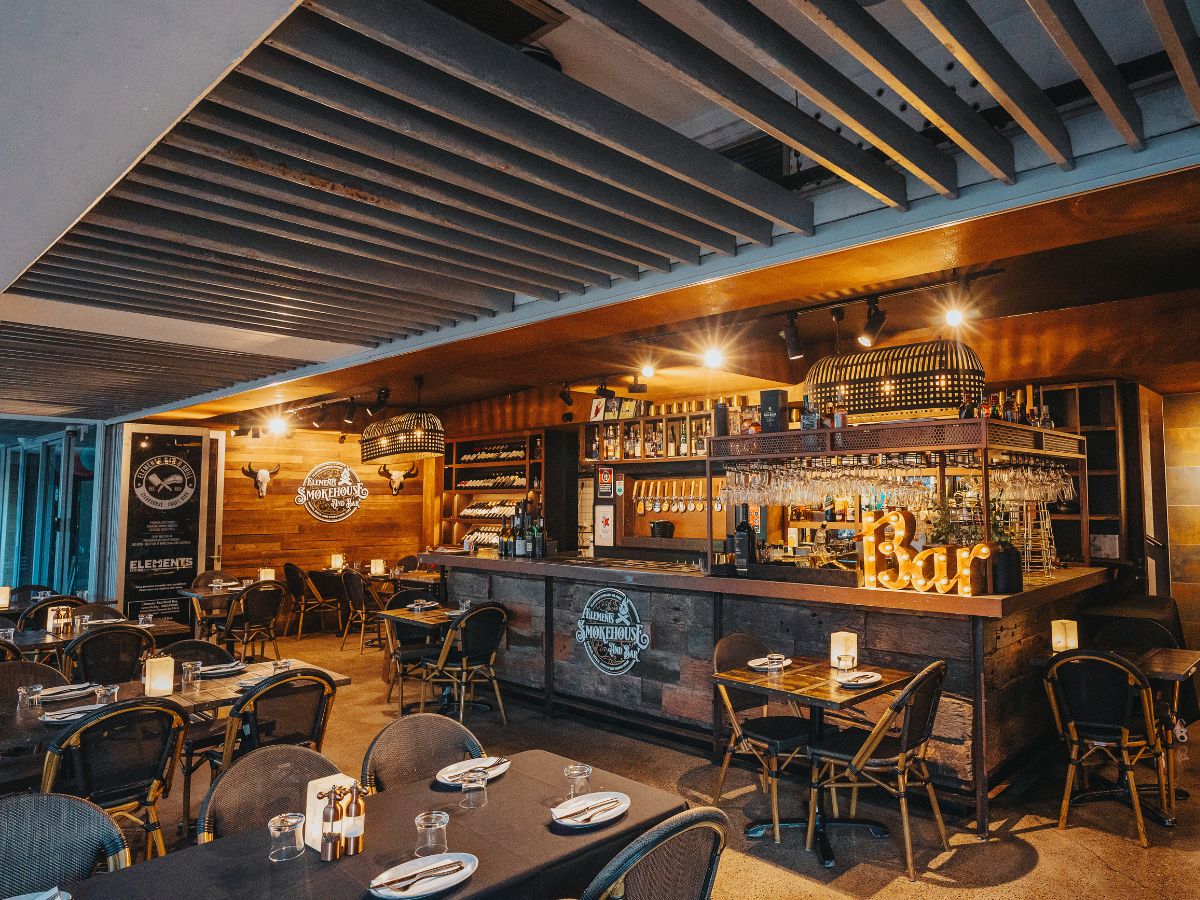
Our venue serving rump is Elements Brasserie in Belmore (MB9 wagyu rump).
Cuts to compare with rump
Frequently asked
Is rump steak the same as sirloin?
Not quite. Australian rump is closest to the US top sirloin. In Australia, sirloin is usually another name for the striploin, sold as porterhouse.
Is rump steak tender?
Moderately. It varies across the muscle, and slicing it thinly across the grain makes a big difference.
Why is rump cheaper than scotch fillet?
It has less marbling and a firmer texture, so it sells for less per kilo, while still carrying strong beef flavour.
What makes wagyu rump different?
Rump is a lean, hard working cut, so it gains the most from marbling. An MB9 wagyu rump eats far softer than an Angus rump while keeping the big rump flavour, usually for less than a wagyu sirloin.