Brisket
Not a steak you grill. The chest muscle is full of connective tissue, which is tough when rushed and melting after a long, slow cook.
- Section
- Brisket
- Fat
- High, with a thick fat cap
- Best cooked
- Low and slow: smoke or braise for many hours
- Best doneness
- Cooked until probe tender
Tap a section to explore its cuts.
Chuck
The shoulder. Hard working muscle and rich flavour, where the short ribs begin.
Rib
The richest marbling on the animal, and the home of the scotch fillet.
Striploin
Along the back. Firm, beefy steaks with a fat cap down one edge.
Tenderloin
Tucked under the loin, doing almost no work. The most tender cut there is.
Rump
The hip. Big beef flavour for the price, and a favourite on the grill.
Brisket
The chest. Tough when rushed, extraordinary after a long, slow cook.
- BrisketYou are here
Plate
Below the ribs. Loose grained, intensely flavoured and quick to cook.
Flank
The belly behind the plate. Lean, long grained steaks made for a marinade and a hot grill.
Round
The hind leg. Lean, hard working muscles such as topside and silverside, used for roasts and corned beef.
Shank
The hind leg from below the round to the knee. Very lean and tough, so it is slow cooked or minced rather than served as a steak.
What is brisket?
Brisket comes from the lower chest of the animal. These muscles carry much of the animal’s weight, so they are dense with connective tissue. Cooked quickly, that tissue stays chewy. Cooked slowly for hours, it breaks down into gelatin and the meat becomes tender and rich.
What part of a cow is brisket?
Brisket comes from the lower chest of the cow, below the chuck (shoulder) and between and just behind the front legs.
Location and anatomy
These chest muscles carry a large share of the animal's weight when it stands and moves, so they are packed with connective tissue.
The flat (first cut) is the leaner, even muscle that slices neatly. The point (deckle) is the thicker, fattier muscle sitting on top, and the source of burnt ends.
The point and the flat
A whole brisket is two muscles laid over each other. The flat is the leaner, more even part, which slices neatly. The point, also called the deckle, is thicker, fattier and looser, and is where the richest, most tender pieces come from. Barbecue kitchens serve both, and a good slice often carries a little of each.
How to cook it
Low heat and a lot of time. For smoked brisket that usually means many hours at a low temperature over smoke, until a probe slides in with almost no resistance. Braising works on the same principle: gentle, moist heat until the connective tissue gives way.
Doneness here is about tenderness, not colour. A brisket is ready when it feels ready, and resting it for an hour or more afterwards keeps the slices moist.
Where to order brisket
Sydney has plenty of places to order a good steak, and our pick of the best steak restaurants in Sydney is a good place to start.
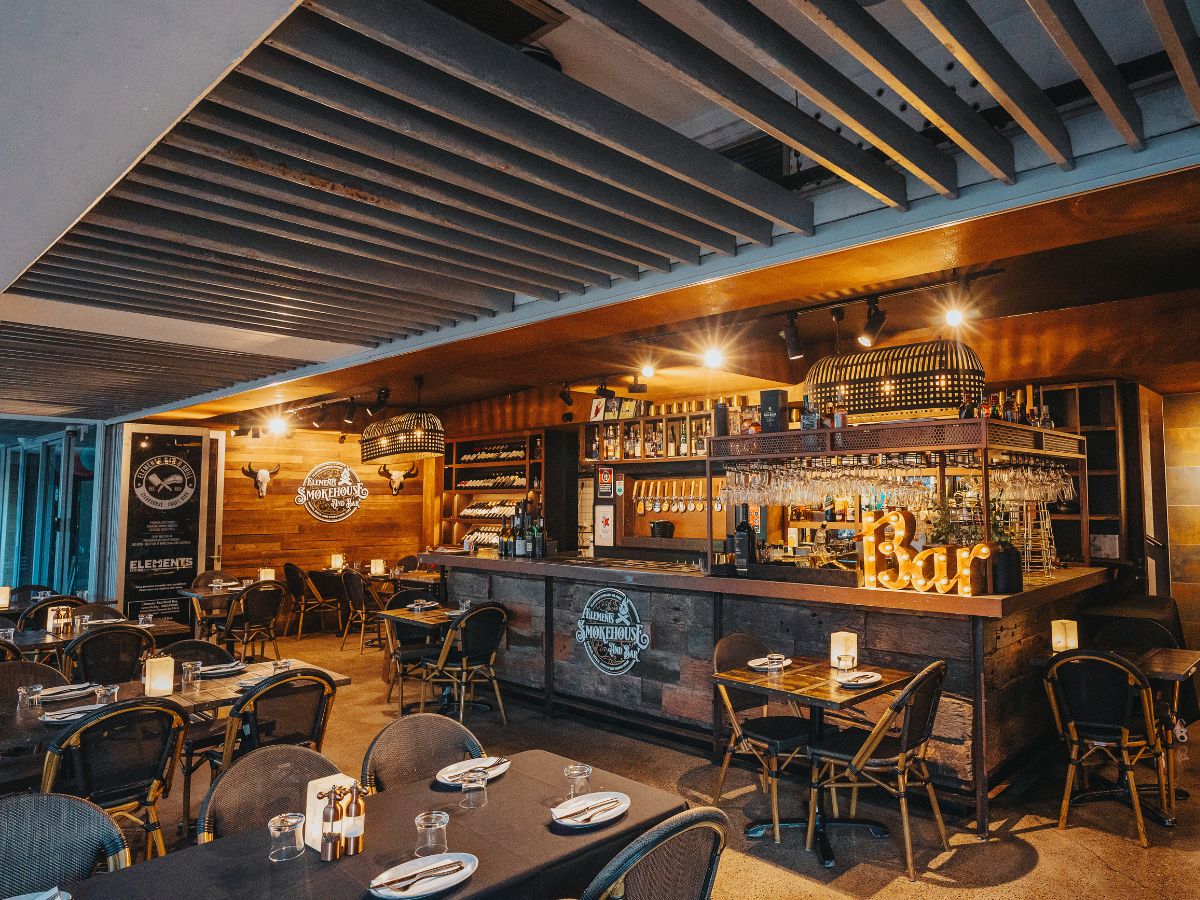
Our venue serving brisket is Elements Smokehouse in Darlinghurst (smoked wagyu beef brisket, brisket burnt ends and the brisket stack burger). Look out for All You Can Eat Brisket and Ribs at Darlinghurst too.
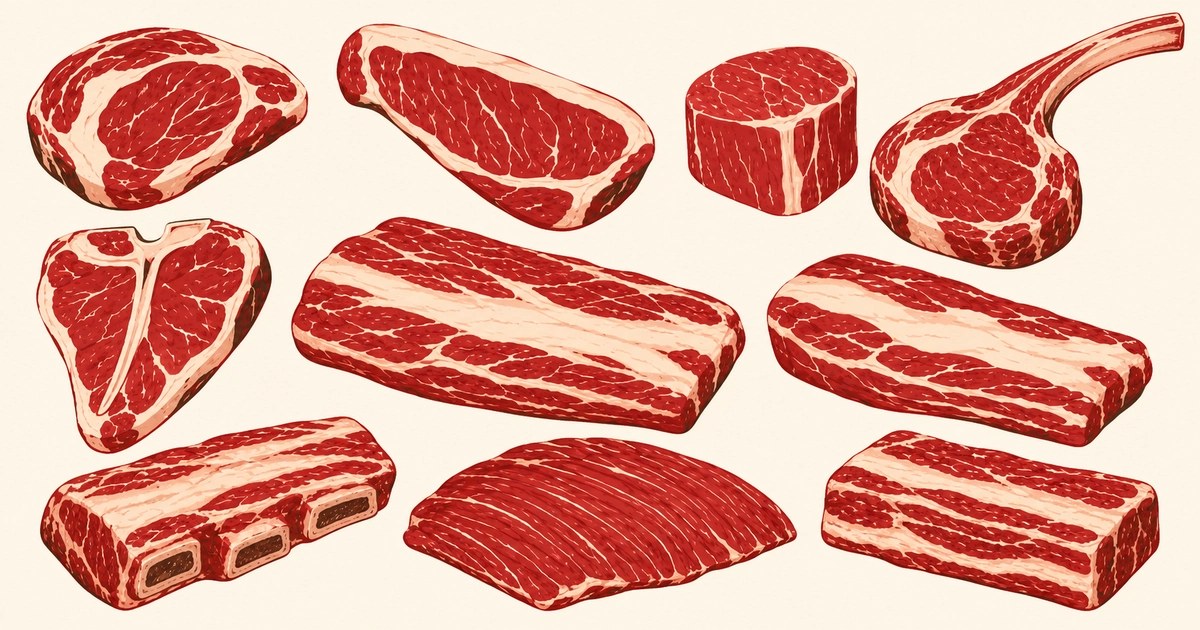
Cuts to compare with brisket
Frequently asked
Why is brisket tough?
It is full of connective tissue from a hard working muscle. That tissue only softens after a long, slow cook.
What is the difference between point and flat brisket?
The flat is leaner and slices neatly. The point, or deckle, is fattier and more tender. A whole brisket includes both.
How long does brisket take to cook?
Many hours at low heat, until a probe slides in easily. It is judged by tenderness rather than by time or colour.
Why is wagyu brisket popular for smoking?
The extra marbling keeps the flat moist through a long smoke, which is where brisket usually dries out. Angus brisket smokes well too, with a firmer slice, but leaves less margin for error.