Champagne and traditional method
Citrus, brioche, almond.
Finer bubbles and toasty depth from a second fermentation in the bottle. The classic celebration wine.
What Champagne and traditional method tastes like
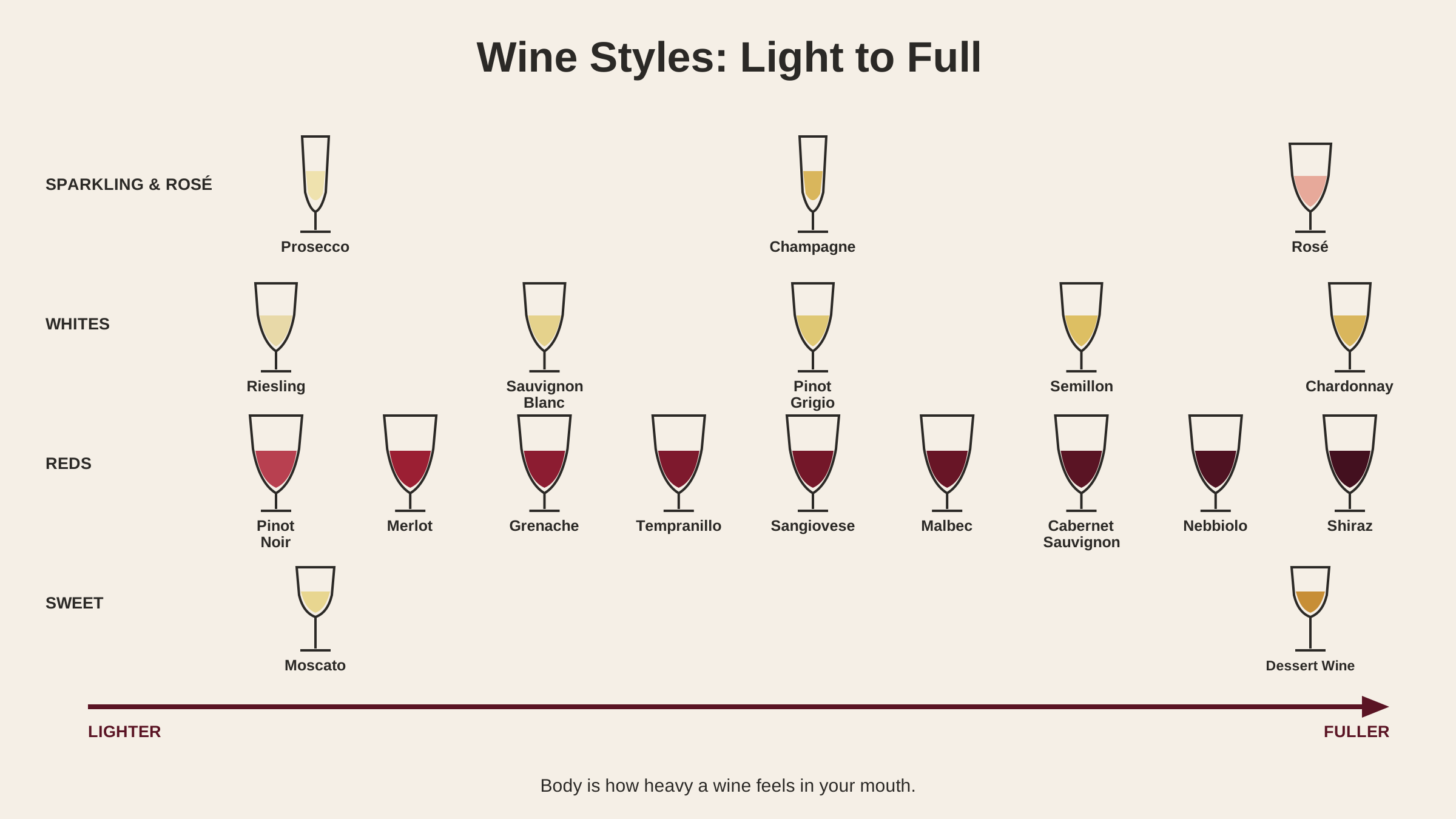
Citrus, brioche, almond. Body: light. Acidity: very high.
Where Champagne and traditional method comes from
Champagne can only come from the Champagne region in north east France. It is made mainly from chardonnay, pinot noir and pinot meunier. In Australia, Tasmania is the leading region for sparkling wine made the same way.
Styles to look for
Brut is the most common, dry style. Blanc de blancs is all chardonnay; blanc de noirs is made from red grapes. Vintage wines come from a single year; most are non-vintage blends.
Food it suits
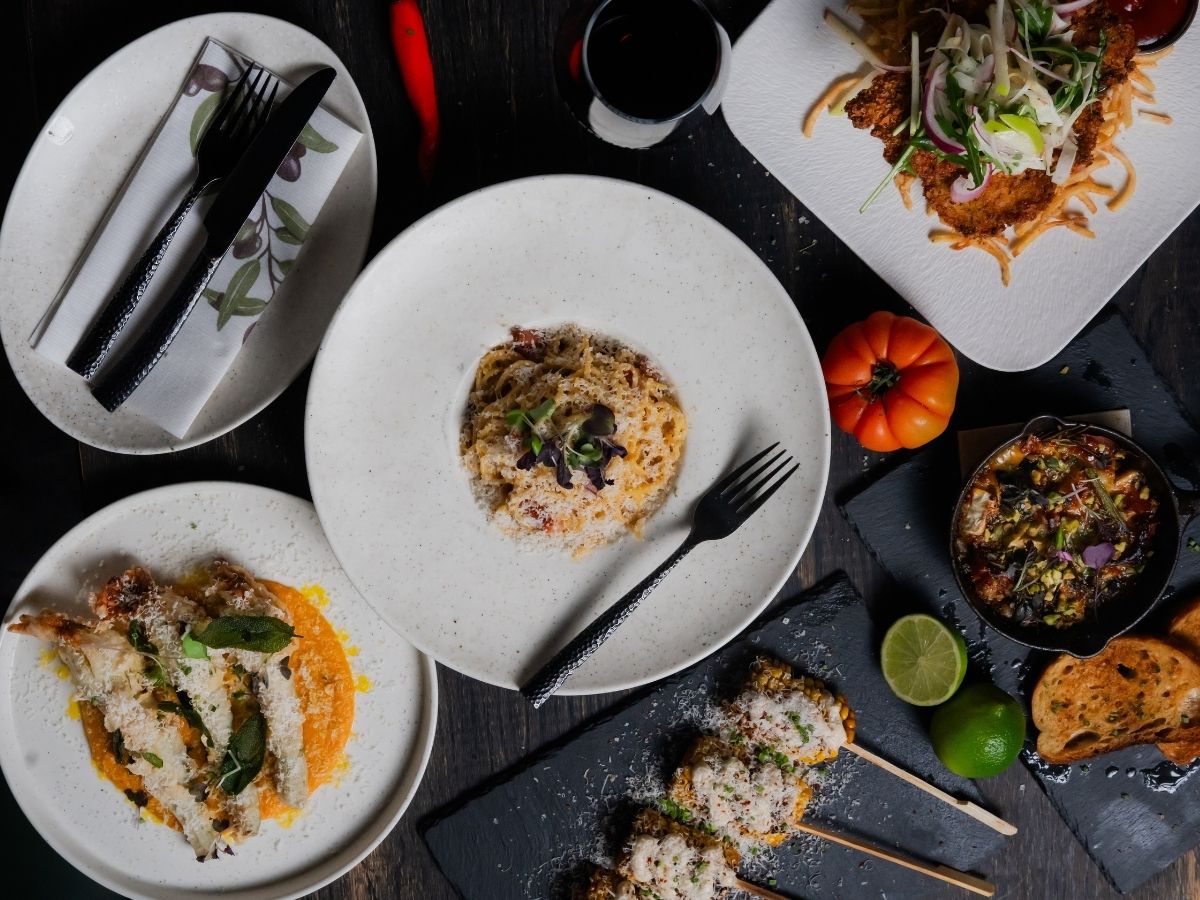
Oysters, caviar, fried chicken, chips, soft cheeses and anything salty.
How to serve it
Serve well chilled, around 6 to 8°C for sparkling and 8 to 10°C for rosé.
Worth knowing
Traditional method sparkling wine gets its bubbles from a second fermentation inside the bottle you drink from.
Check the menu at your venue
Wine lists change with the season and the supplier, and each venue pours its own. Check the menu before you go, or ask your waiter what is open by the glass.
Want to browse other types of wine?
Tap any glass to jump to that wine, or go back to the full wine guide.
Frequently asked
What does Champagne and traditional method taste like?
Citrus, brioche, almond. Body: light. Acidity: very high.
Where does Champagne and traditional method come from?
Champagne can only come from the Champagne region in north east France. It is made mainly from chardonnay, pinot noir and pinot meunier. In Australia, Tasmania is the leading region for sparkling wine made the same way.
What food goes with
Oysters, caviar, fried chicken, chips, soft cheeses and anything salty.
How should Champagne and traditional method be served?
Serve well chilled, around 6 to 8°C for sparkling and 8 to 10°C for rosé.