Tempranillo
Cherry, leather, tobacco.
Spain’s red: cherry, leather and a savoury finish.
What Tempranillo tastes like
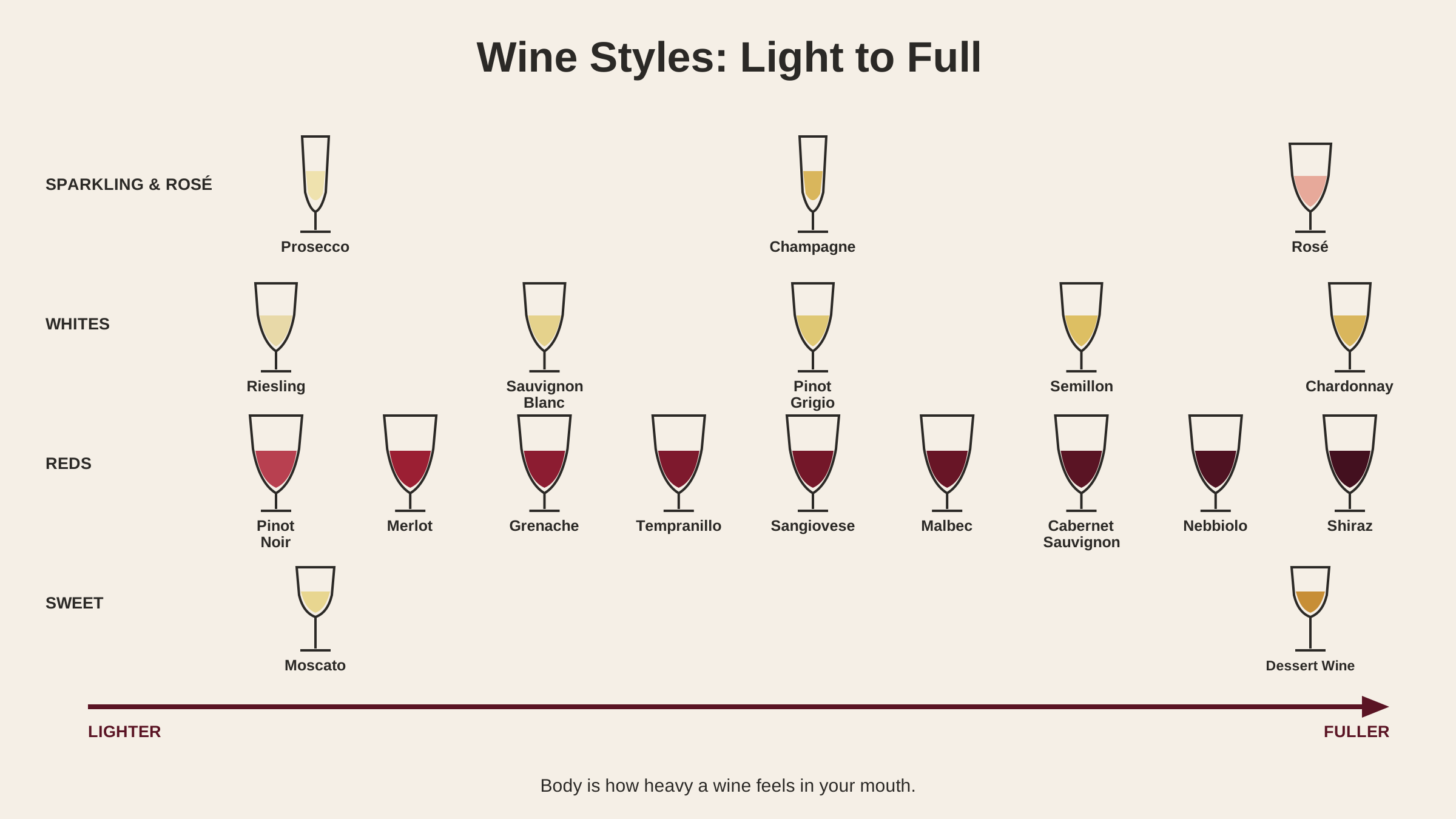
Cherry, leather, tobacco. Body: medium. Tannin: medium. Acidity: medium.
Where Tempranillo comes from
Tempranillo is Spain’s great red grape, behind Rioja and Ribera del Duero. Australia has grown it widely in the last two decades, including in the Clare Valley and McLaren Vale.
Styles to look for
Spanish labels show ageing: crianza, reserva and gran reserva spend progressively longer in barrel and bottle before release. Australian tempranillo is usually younger and fruitier.
Food it suits
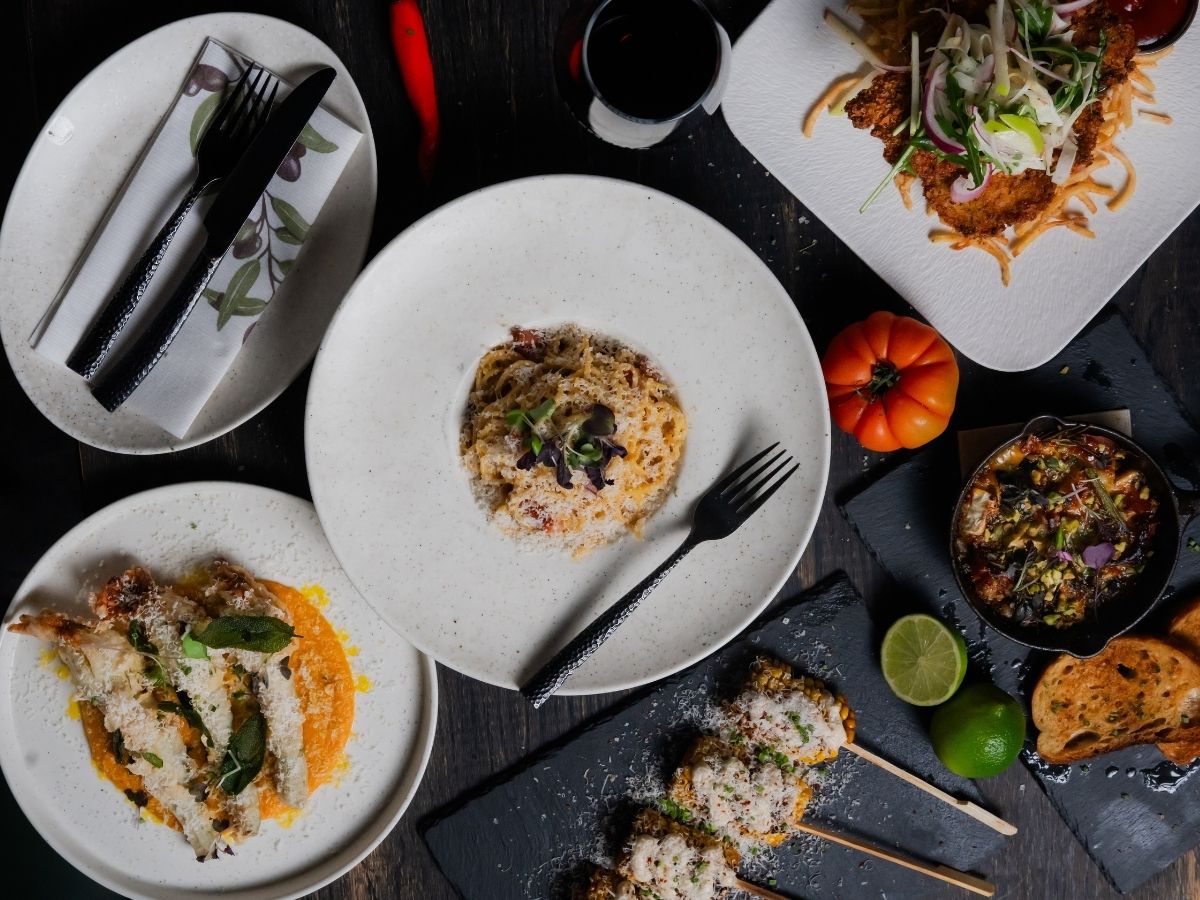
Tapas, chorizo, paella, roast lamb and manchego.
How to serve it
Serve slightly below room temperature, around 14 to 18°C. Lighter reds sit at the cooler end, fuller reds at the warmer end.
Worth knowing
The name comes from temprano, Spanish for early, because it ripens earlier than many other red grapes.
Check the menu at your venue
Wine lists change with the season and the supplier, and each venue pours its own. Check the menu before you go, or ask your waiter what is open by the glass.
Want to browse other types of wine?
Tap any glass to jump to that wine, or go back to the full wine guide.
Frequently asked
What does Tempranillo taste like?
Cherry, leather, tobacco. Body: medium. Tannin: medium. Acidity: medium.
Where does Tempranillo come from?
Tempranillo is Spain’s great red grape, behind Rioja and Ribera del Duero. Australia has grown it widely in the last two decades, including in the Clare Valley and McLaren Vale.
What food goes with
Tapas, chorizo, paella, roast lamb and manchego.
How should Tempranillo be served?
Serve slightly below room temperature, around 14 to 18°C. Lighter reds sit at the cooler end, fuller reds at the warmer end.